

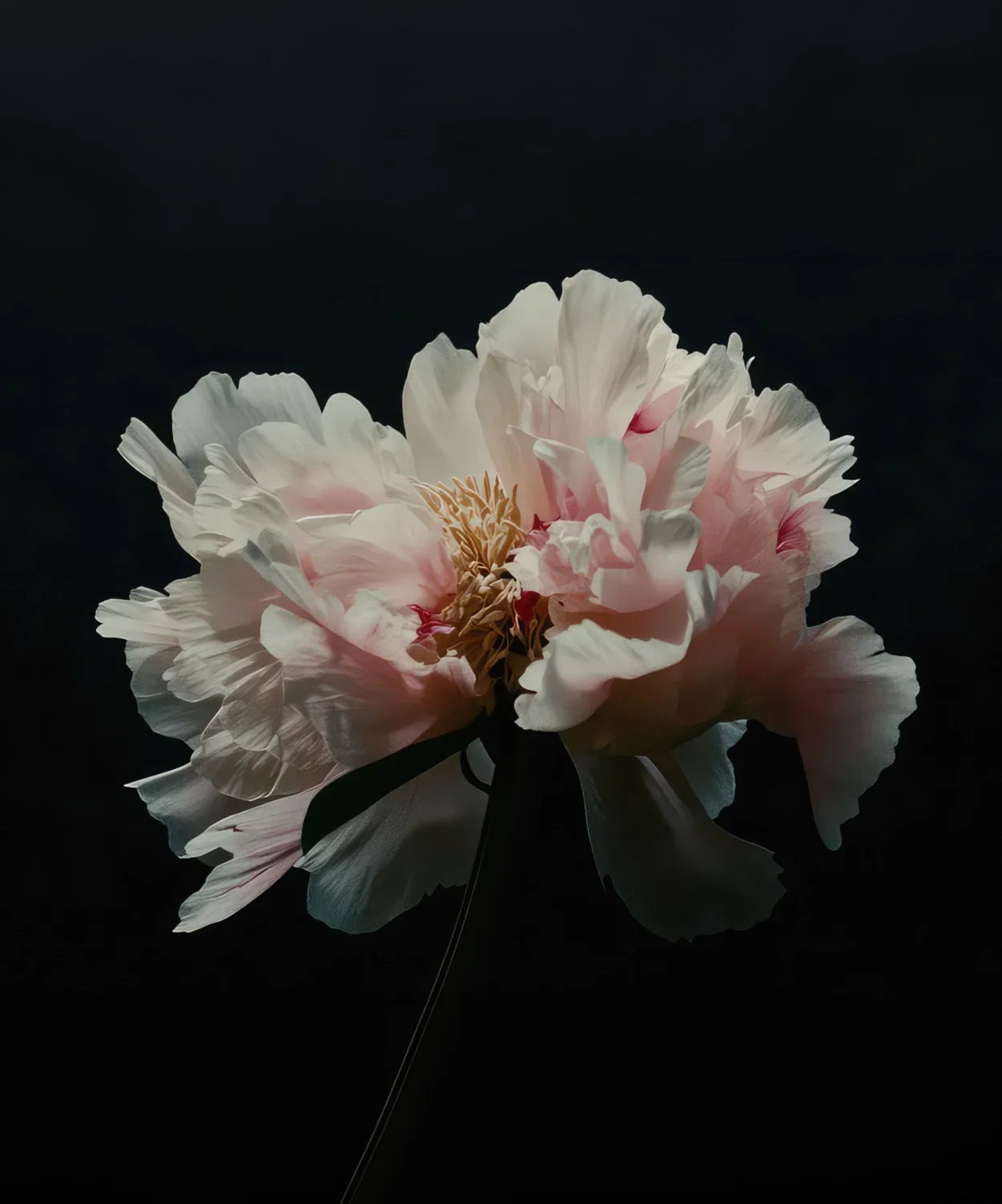
Why Beauty Matters
You might be wondering why Orchard St. now includes skincare alongside the plant medicines you've always known us for.
Perhaps another question worth asking is what we mean when we speak of beauty at all: a definition for the unquantifiable magic that shapes the way we feel, the spaces we create, and the way we relate to ourselves and the world around us.
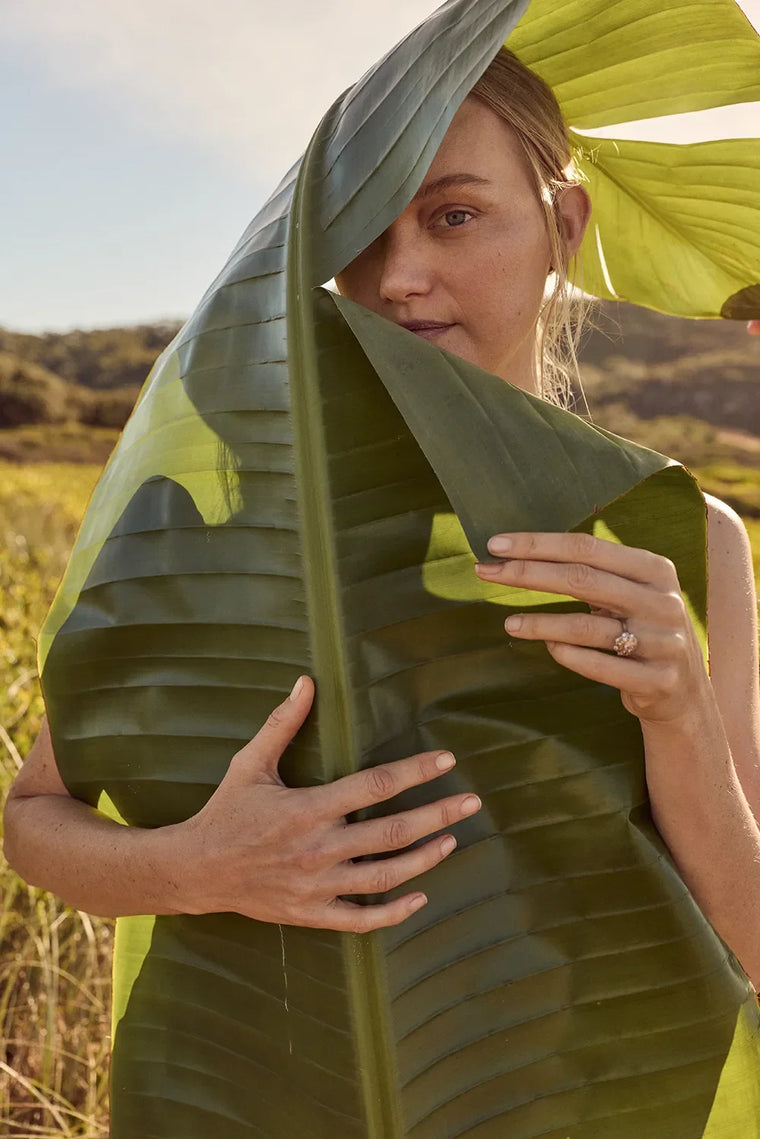
Modern culture often reduces beauty to something cosmetic: an industry built around correction and perfection. But beauty has always been something deeper, woven into the fabric of the living world itself, reflected in nature's diversity and its endless creative expression.
Beauty is something we experience wholly. The beloved Irish poet and philosopher John O'Donohue wrote in his book Beauty: The Invisible Embrace that “when we experience the Beautiful, there is a sense of homecoming.” Beauty interrupts the constant movement of the mind and returns us to presence.
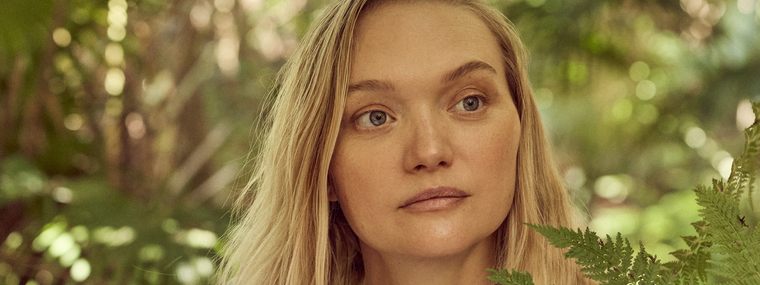
Before we understand something beautiful intellectually, we experience it physically. Local artist Gemma O'Brien, who hand-illustrated our Drop Caps alphabet, explored a similar idea through her PhD in neuroaesthetics. This field of research invites us to reconsider beauty as anything but superficial. It asks how the environments we create shape our emotions, behaviour and relationships, and how the things we choose to surround ourselves with each day influence the way we experience the world.
Further, studies exploring fractal patterns, abundant in natural environments, suggest that certain forms of visual complexity can influence aesthetic preference but also our physiological states associated with relaxation.* Beauty, in this sense, may not simply be something we admire. It may be something our nervous system recognises as safe.
This understanding is reflected in the work of practitioners who approach beauty as a form of care rather than correction. As Nicole Stubbs, one of the natural beauty practitioners within our O St. Directory, shares: “Nicole quote here xxxx”
Her perspective speaks to xxxx
Over the years, this notion of beauty has shaped the foundations of Orchard St. What began as a deep passion for herbal medicine and nourishment has naturally expanded to include the objects, rituals and sensory experiences that support a life lived in closer relationship with nature. These tools and practices usher moments of wonder and presence into otherwise ordinary days.
Our reverence for beauty shapes the makers we're drawn to. Those who share our respect for natural materials and thoughtful craftsmanship, and who understand that the appearance of the things we live alongside changes the way we feel.
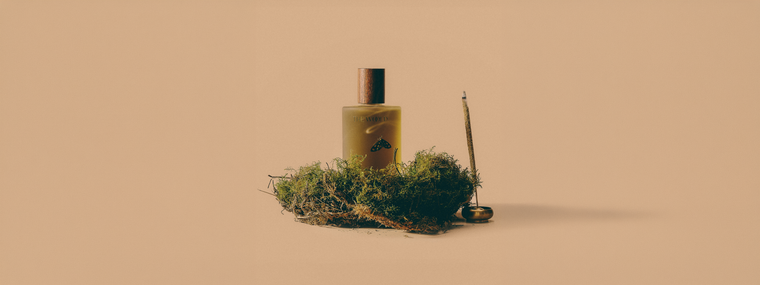
A Pan Pottery vase on your table. A Wooed electuary bottle on your bench. Bodha perfume on your skin. An Among Equals bag over your shoulder. These are functional objects, certainly, but they are also expressions of care. They remind us that beauty can be attentive, intentional and deeply life-affirming.
Perhaps beauty is also one of the ways we recognise life flourishing. Healthy skin appears radiant because it reflects inner balance. A thriving garden, a biodiverse landscape and a connected community all possess a beauty that has very little to do with aesthetics and everything to do with life expressing itself fully, and often wildly.
For us, beauty is not separate from health, creativity or conscious living. They are simply different expressions of the same living intelligence. To cultivate beauty is not to pursue perfection, but to create the conditions in which life can flourish.
In a world designed to capture our attention, beauty returns it gently to what is real, tangible and enduring. The magic around us ~ and always within.
*Hagerhall et al. (2015), “Human physiological benefits of viewing nature: EEG responses to exact and statistical fractal patterns” — explored how exposure to fractal patterns found in nature can influence physiological responses, including relaxed states.
*Robles et al. (2020), “A shared fractal aesthetic across development” — found preferences for certain fractal patterns across ages, exploring the relationship between natural patterns and aesthetic response.
Read more
There is something sacred in watching those you love ~ and those who have shaped the Orchard St. path ~ step into their power. Ema Taylor was one of our original Elixir Bar Alchemists: a generous, ...
Winter has quietly become one of my greatest teachers. Not because I enjoy the cold. I don't. Every year I long for longer days, bare feet and the warmth of the sun on my skin. I miss the expansive...


