




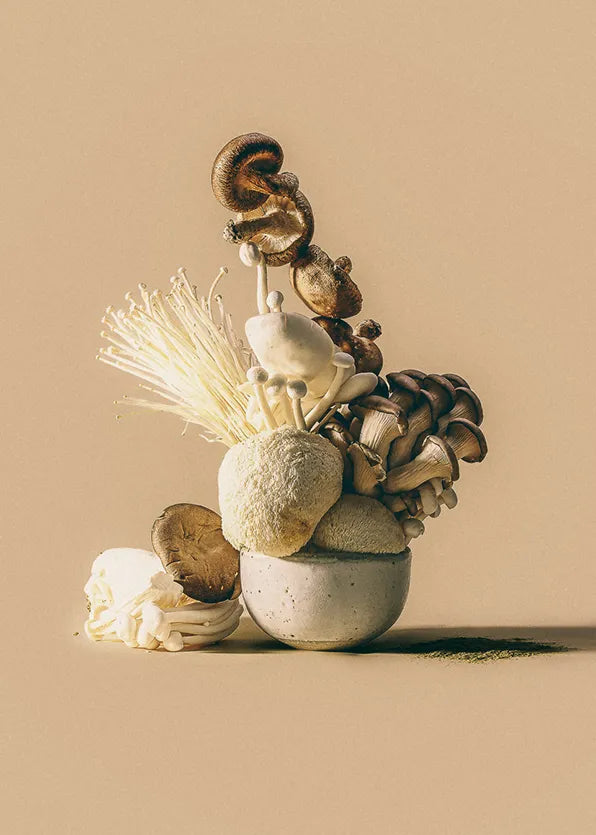



Ingredient Glossary
Learn more about the ingredients we welcome into our beauty and wellness collections. Our glossary offers considered insight into their origins, benefits and purpose, and the wisdom behind their place within our curation.
A
- Adaptogen
Adaptogens are a class of herbs and medicinal mushrooms traditionally used to help the body respond more effectively to physical, mental and environmental stress. Their effects are generally considered gradual and cumulative, supported by centuries of use within Ayurvedic, Chinese and Daoist healing traditions. Modern research is beginning to clarify their mechanisms, suggesting that adaptogens may help regulate the stress response and support resilience through effects on neuroendocrine, immune and inflammatory pathways. Their potential benefits are being explored in relation to chronic inflammation, metabolic dysfunction, cognitive decline and other conditions associated with ageing.
- Aloe Vera
Aloe vera (Aloe barbadensis) is a succulent native to the Arabian Peninsula, used for over 6,000 years across Egyptian, Greek, Roman, Indian, and Chinese traditions for skin and digestive complaints. Its polysaccharides and anthraquinones have been studied for soothing, anti-inflammatory, and wound-healing activity, with topical evidence supporting its use in burns, sunburn, and minor abrasions.
- Amla
Amla (Phyllanthus emblica), also known as Indian Gooseberry, is a powerful rejuvenative and antioxidant. It's used in Ayurvedic medicine to empower immune function, liver health, hair and skin vitality.
- Aniseed
Aniseed (Pimpinella anisum) is a delicately sweet, liquorice-flavoured seed, traditionally used as a digestive remedy. It relieves bloating, eases cramping, and has a gentle expectorant action supporting the respiratory tract.
- Artichoke Leaf
Artichoke leaf (Cynara scolymus) is a bitter green botanical traditionally used to support digestion, bile flow and liver function. Rich in cynarin and polyphenols, it empowers digestive secretions and supports the body’s processing of heavy lipids.
- Astragalus
Astragalus (Astragalus membranaceus), known as Huang Qi in Chinese medicine, is a deeply rooted tonic herb traditionally used to strengthen Qi and support resilience. Rich in polysaccharides, saponins and flavonoids, it works gently over time to support immune balance, vitality and the body’s adaptive response to stress.
- Avocado Oil
Avocado oil is pressed from the creamy flesh of the avocado fruit and is naturally rich in nourishing fatty acids, phytosterols and fat-soluble antioxidants. Its plush texture helps comfort dry or depleted skin, restoring a sense of softness, density and glow.
B
- Bacopa
Bacopa (Bacopa monnieri) is a water-loving herb celebrated in the Ayurvedic tradition as a rejuvenating tonic for the mind. Its active compounds, the bacosides, have been studied in randomised trials for their effect on memory, learning, and cognitive performance, particularly in older adults. Tradition and modern science both point to consistent, longer-term use for its benefits to unfold.
- Bakuchiol
Bakuchiol is a plant-derived compound extracted from the seeds of Psoralea corylifolia, often described as a botanical retinol alternative. Research suggests it may support collagen production and skin renewal with a gentler profile, making it a considered plant alternative to retinol.
- Barley Grass
Barley grass is the young green shoot of the barley plant (Hordeum vulgare), harvested before the grain forms. Rich in vitamin K, iron, beta-carotene, and the antioxidant superoxide dismutase, barley grass has been studied for its alkalising and antioxidant activity, with most evidence drawn from animal models and small human trials.
- Beeswax
Beeswax (Cera alba) is a pure, natural wax produced by honeybees. When used in candles, it burns cleanly and slowly, releasing no toxic byproducts. Uniquely among waxes, it emits negative ions that may help to neutralise pollutants in the air, creating a cleaner, more harmonious living space.
- Bentonite Clay
Bentonite clay is a mineral-rich clay formed from weathered volcanic ash, with a negatively charged structure that allows it to bind to positively charged toxins, heavy metals, and bacterial compounds. In topical use, it can help draw excess oil and impurities from the skin, though internal use requires caution due to variable purity and potential heavy metal contamination.
- Bioavailability
Bioavailability refers to the proportion of a nutrient or compound that the body is able to absorb and make available for use and storage.
- BioavailabilityTerm
Bioavailability refers to the proportion of a nutrient or compound that the body is able to absorb and make available for use and storage.
- Biotin
Biotin, also known as vitamin B7, is a water-soluble nutrient involved in the metabolism of fats, carbohydrates and proteins. It supports the foundations of healthy hair, skin and nails by helping the body convert nourishment into the building blocks of cellular growth.
- Black Cohosh
Black cohosh (Actaea racemosa) is a woodland root native to North America, traditionally used to support women through perimenopause and menopause. It is most often associated with hot flushes, night sweats and hormonal transition, though research remains mixed. Best used alongside practitioner guidance.
- Black Pepper
Black pepper's (Piper nigrum) active compound, piperine, is known to enhance the bioavailability of certain botanicals, most famously curcumin from turmeric. In formulations, it acts like a spark, awakening digestion and circulation.
- Black Walnut
Black walnut (Juglans nigra) is a native North American tree whose green hulls have a long history in traditional Western and First Nations herbalism. They contain juglone, a naphthoquinone studied in laboratory settings for its antifungal and antimicrobial activity. Robust human clinical data is limited, with most evidence drawn from in-vitro research and traditional use. It often features in considered herbal formulations alongside other digestive and cleansing botanicals.
- Blue Lotus
Blue Lotus (Nymphaea caerulea) is an ancient and sacred flower, used across cultures as a gentle entheogen and relaxant. Its active compounds – aporphine and nuciferine – work on dopamine receptors to promote a calm, lucid sense of wellbeing, vivid dreaming, and open, meditative state of mind.
- Blue Tansy
Blue tansy (Tanacetum annuum) is a Moroccan botanical known for its vivid indigo hue, created by the compound chamazulene during distillation. Traditionally used to soothe heat and visible redness, it brings a cooling, calming quality to formulations designed for reactive or unsettled skin.
- Borage Seed
Borage seed oil is extracted from Borago officinalis and is one of the richest plant sources of gamma-linolenic acid, or GLA. This nourishing omega-6 fatty acid supports the skin barrier and may help calm dryness, sensitivity and the feeling of inflammation.
- Brahmi
Brahmi (Bacopa monnieri) is an Ayurvedic brain tonic. Its active compounds, the bacosides, are known to support synaptic communication in the brain, improving memory retention and mental ease.
C
- Cacao
Cacao (Theobroma cacao) is the bean of the cacao tree, native to the rainforests of Central and South America and used in ceremonial contexts by Maya and Aztec communities for centuries. Raw cacao is rich in flavanols, magnesium, iron, and the mood-supporting compounds theobromine and phenylethylamine, with clinical research linking flavanol intake to improved blood vessel function and cognition.
- Calendula
Calendula (Calendula officinalis) is a bright orange flower used in traditional European herbalism as a topical skin salve. Its triterpenoid saponins and flavonoids have been studied for their soothing and antimicrobial activity.
- Californian Poppy
Californian poppy (Eschscholzia californica) is a soft, golden flower native to North America, traditionally used by First Nations communities and Western herbalists for its calming effect. Its alkaloids, including californidine, protopine, and reticuline, are thought to interact with GABA receptors in the brain, the same pathway involved in relaxation and sleep. Most insight to date is drawn from traditional use and pre-clinical research, with human clinical evidence still gathering.
- Camellia Seed Oil
Camellia seed oil (Camellia japonica or oleifera) is a light golden oil cold-pressed from the seeds of camellia flowers, adored in traditional Japanese and Chinese skincare practices. Rich in oleic acid and natural squalene, it absorbs quickly without residue and has been studied for its barrier-supporting, antioxidant activity in skin and hair care.
- Camu Camu
Camu camu (Myrciaria dubia) is a tart Amazonian berry prized for its exceptional vitamin C content and dense constellation of polyphenols, carotenoids and antioxidants. Its phenolic compounds and ellagitannins have been studied for their antioxidant and anti-inflammatory activity, alongside emerging research on metabolic and immune health.
- Cardamom
Cardamom (Elettaria cardamomum) is a warming digestive herb, thought, in Ayurvedic wisdom, to soothe the gastrointestinal tract and freshen the breath.
- Carnauba Wax
Carnauba wax is a firm plant wax harvested from the leaves of the Brazilian carnauba palm. The hardest natural wax known, it provides structure, gloss, and water resistance in cosmetics and lip products. As a vegan alternative to beeswax, it is widely used in plant-based balms, lipsticks, and solid skincare formulations.
- Cayenne
Cayenne (Capsicum annuum var. cayenne) is a potent warming spice rich in capsaicin, an active compound known for its ability to stimulate circulation, support cardiovascular health, and encourage the body's natural metabolic process.
- Cedarwood
Cedarwood (Cedrus atlantica) has a warm, woody scent, often burnt in ceremonial contexts to ease the nervous system and support an environment of meditative presence.
- Cellulose
Cellulose is a structural plant fibre found in the cell walls of fruits, vegetables and botanicals. In beautifying formulations, it can help thicken, stabilise or create a soft physical texture.
- Chaga
Chaga (Inonotus obliquus) is a dark, woody fungus that grows on birch trees in cold northern forests. Rich in polysaccharides, polyphenols and melanin-like pigments, it is traditionally used as an immune and antioxidant tonic, though human research is still emerging.
- Chamomile
Chamomile (Matricaria chamomilla) is a sweet, tender flower traditionally used as a sleep and digestive aid. Its dried flowers contain medicinal terpenoids and flavonoids with positive effects reported for hayfever, inflammation, muscle spasms, menstrual and gastrointestinal disorders.
- Chicory Root
Chicory Root (Cichorium intybus) is one of the richest natural sources of inulin, a prebiotic fibre that feeds and diversifies the gut microbiome. It serves as a detoxification and digestive aid, particularly effective when roasted and brewed as a caffeine-free tonic.
- Chilli
Chilli (Capsicum frutescens) is a fiery fruit whose active compound, capsaicin, activates thermogenesis in the body; generating heat and stimulating circulation. It also has a well-documented role in metabolism moderation and pain modulation.
- Chlorella
Chlorella (Chlorella vulgaris) is a single-celled green freshwater algae rich in chlorophyll, iron, and complete protein. While clinical data is still emerging, its dense cell wall has been studied for its detoxifying capacity, binding to heavy metals in the digestive tract. As a whole food, chlorella offers a nutrient-dense addition to plant-powered eating, particularly for iron, B-group vitamins, and antioxidants.
- Chuncho Cacao
Chuncho Cacao (Theobroma cacao) is a rare, heirloom variety of cacao native to the high forests of Peru, considered among the finest and purest cacao in the world. Rich in magnesium, antioxidants, and mood-elevating compounds including theobromine and phenylethylamine, it has been used in ceremonial contexts for thousands of years as heart-opening plant medicine.
- Cinnamon Husk
Cinnamon (Cinnamomum verum), also known as Ceylon or 'true' cinnamon, is a warming spice native to Sri Lanka and used for thousands of years in Ayurveda and traditional Chinese medicine. Beyond its place in the kitchen, systematic reviews have looked at its effects on blood sugar regulation, antioxidant activity, and digestive comfort. Its essential oils, including cinnamaldehyde and eugenol, are the basis of much of its activity.
- Circadian Rhythm
Circadian rhythms are internally generated daily cycles of day and night. In addition to the alignment of one's internal and external day, the circadian clock ensures that biological processes occur with the correct timing, ensuring appropriate growth, reproduction, metabolism and cellular repair.
- Circadian RhythmTerm
Circadian rhythms are internally generated daily cycles of day and night. In addition to the alignment of one's internal and external day, the circadian clock ensures that biological processes occur with the correct timing, ensuring appropriate growth, reproduction, metabolism and cellular repair.
- Citric Acid
Citric acid is a naturally occurring fruit acid found in citrus and widely used in skincare to adjust pH and refine texture. In higher concentrations it can act as an alpha hydroxy acid, gently encouraging surface renewal and a brighter, smoother-looking complexion.
- Clary Sage
Clary sage (Salvia sclarea) is an aromatic flowering herb traditionally associated with relaxation, sensuality and women’s wellbeing. Its essential oil contains compounds such as linalyl acetate and sclareol, lending it a soft, musky warmth that may help ease tension and invite nervous system release.
- Cleavers
Cleavers (Galium aparine) is a gentle but effective lymphatic herb, working to move and cleanse the lymphatic system to support skin, immunity and detoxification.
- Clove Bud
Clove Bud (Syzygium aromaticum) is a potent antimicrobial spice. It's naturally rich in eugenol, a plant compound that supports oral health, digestive comfort, and immune function.
- Cocoa Seed Butter
Cocoa seed butter is a rich plant butter pressed from cacao beans, with a naturally smooth texture and subtle chocolate aroma. Rich in oleic, stearic, and palmitic acids alongside polyphenols, it has been studied for its skin-softening, antioxidant, and barrier-protective effects, long used in stretch mark and dry-skin formulations.
- Coenzyme Q10
Coenzyme Q10, or CoQ10, is a vitamin-like compound found in nearly every cell, with especially high concentrations in energy-hungry tissues such as the heart. It plays a key role in mitochondrial energy production while also acting as an antioxidant, protecting cells from cellular stress.
- Collagen
Collagen is the most abundant protein in the body, providing the structural framework of skin, bone, tendons, ligaments, and connective tissue. Hydrolysed collagen peptides, derived from bovine, marine, or porcine sources, have been studied in clinical trials for their effects on skin elasticity, hydration, joint comfort, and nail strength, with consistent benefits across well-designed studies.
- Colloidal Silver
Colloidal silver is a suspension of microscopic silver particles in liquid, historically valued for silver’s antimicrobial properties in specific topical and medical contexts. As an oral supplement, evidence for health benefits is lacking and safety concerns are well established, so it is best understood as a specialised ingredient to be used with discernment and professional guidance.
- Comfrey Root
Comfrey root (Symphytum officinale) is a traditional skin herb known for its naturally occurring allantoin, a compound associated with soothing and tissue comfort. Because comfrey can also contain pyrrolizidine alkaloids, it is best reserved for carefully prepared topical products rather than internal use.
- Copper
Copper (Cuprum) is prized across ancient civilisations for its natural antimicrobial properties. Used in the practice of tongue scraping, it actively neutralises bacteria that accumulates on the tongue overnight.
- Cordyceps
Cordyceps is a rare medicinal fungus used in Chinese medicine to support stamina, breath and vital energy. Clinical research suggests its ability to improve oxygen uptake and tolerance to high-intensity exercise, with cordycepin and beta-glucans as active compounds.
- Coriander
Coriander (Coriandrum sativum) is a bright, citrus-edged herb with seeds and leaves that support digestive health, with antimicrobial and anti-inflammatory effects.
- Creatine
Creatine is a naturally occurring compound stored in the muscles and brain, where it helps regenerate ATP, the body’s immediate energy currency. Well studied for strength, performance and recovery, it is increasingly understood as a nutrient for cellular energy, cognitive function and healthy ageing.
- Cucumber Seed Oil
Cucumber seed oil is pressed from the seeds of Cucumis sativus and is naturally rich in linoleic acid, phytosterols and vitamin E. Light and cooling, it helps soften the skin without heaviness, making it especially suited to delicate or dehydrated complexions.
- Cumin
Cumin (Cuminum cyminum) is a warm, earthy spice that stimulates the secretion of digestive enzymes and supports the absorption of nutrients.
D
- Dandelion Leaf
Dandelion Leaf (Taraxacum officinale) is rich in vitamins A, C, and K. It's one of the most effective natural diuretics, which replenishes potassium as it cleanses, supporting kidney function and fluid balance without depletion.
- Dandelion Root
Dandelion Root (Taraxacum officinale) is a powerful liver and digestive tonic, harmonising bile production, detoxification pathways, and the body's ability to process and eliminate toxins.
- Davidson's Plum
Davidson's plum (Davidsonia pruriens) is a vibrant deep-purple Australian native fruit, used by First Nations communities for thousands of years. Research from CSIRO and Australian universities has shown it carries a high concentration of anthocyanins, polyphenols, and vitamin E, contributing to one of the highest antioxidant capacities recorded in native fruits.
E
- Echinacea
Echinacea (Echinacea purpurea) is among the most widely studied medicinal plants in the world, with roots in Indigenous North American traditional medicine. Independent reviews of clinical research have focused on its active alkylamides and polysaccharides, which interact with the body's immune signalling, supporting natural defences during seasonal change.
- EchinaceaIngredient
Echinacea (Echinacea purpurea) is among the most widely studied medicinal plants in the world, rooted in Indigenous North American traditional medicine. Independent reviews of clinical research have focused on its active alkylamides and polysaccharides, which interact with the body's immune signalling, supporting natural defences during seasonal change.
- Elderberry
Elderberry (Sambucus nigra) is the deep-violet fruit of the European elder tree, used for centuries in traditional Western herbalism for immune and respiratory support. Clinical research suggests elderberry extract may shorten the duration and ease the symptoms of viral upper respiratory infections, with its anthocyanins thought to improve the body's immune response with antioxidant and anti-inflammatory potential.
- Eucommia
Eucommia (Eucommia ulmoides) is a tree native to China with a long history of use as a Kidney and yang tonic in traditional Chinese medicine. Pharmacological reviews have observed its lignans and iridoids in connection with improved bone density, cardiovascular function, and metabolic balance, with current evidence drawn from pre-clinical research.
- Extra Virgin Olive Oil
Extra virgin olive oil (Olea europaea) is the cold-pressed first extraction of olives. Rich in oleic acid, vitamin E, and the polyphenol oleocanthal, topical olive oil has been studied for its barrier-supportive, antioxidant, and anti-inflammatory activity, particularly suited to mature and dry skin.
F
- Fennel
Fennel (Foeniculum vulgare) is an aromatic Mediterranean herb whose seeds, leaves, and bulb are loved in kitchens and apothecaries the world over. Its essential oil, rich in anethole and fenchone, has been studied for its carminative effect, easing bloating, gas, and digestive cramping by relaxing the smooth muscle of the gastrointestinal tract.
- Finger Lime
Traditionally used by First Nations communities along Australia’s east coast, finger lime (Citrus australasica) is a native citrus with a rich cultural history. Known for its jewel-like pearls and bright, tangy flavour, the fruit is naturally rich in vitamin C, folate and distinctive flavonoids, with phytochemical research demonstrating strong antioxidant activity.
- Frankincense
Frankincense is an aromatic resin gathered from trees of the Boswellia genus, treasured for centuries in ritual, perfumery and traditional medicine. Its boswellic acids have been studied for anti-inflammatory activity, with clinical trials showing efficacy for joint inflammation and osteoarthritis.
- Fulvic & Humic
Fulvic and humic acids are complex organic compounds formed through the slow decomposition of plant matter in mineral-rich soil. Often described as carriers of trace minerals and electrolytes, they are used to support mineral transport and gut ecology, though quality, sourcing and purity testing are essential.
- Functional Nutrition
Functional nutrition is an approach to nutrition that looks at the whole person – their unique biochemistry, lifestyle, and health history – to identify the root causes of imbalance and use food and plant medicine as tools for long-lasting change.
G
- Garlic
Garlic (Allium sativum), a kitchen and apothecary mainstay, contains active, naturally antimicrobial compounds called allicins. Studies have linked allicins with improved immune function, digestive resilience and cardiovascular health.
- Ginger
Ginger (Zingiber officinale) is a warming tuber, containing active compounds – gingerols and shogaols – which have been shown to benefit nausea, digestion, circulation, and immune health.
- Ginkgo
Ginkgo (Ginkgo biloba) is one of the oldest living tree species on earth. Used medicinally, its leaves improve blood flow to the brain, improving both memory and concentration with sustained use.
- Glycerin (Plant-Based)
Glycerin is a clear, water-loving humectant derived from vegetable oils or plant fermentation. It draws moisture into the skin and helps maintain hydration, giving formulations their soft, cushiony slip and the skin a more supple feel. One of the most established and well-tolerated skincare ingredients.
- Goji
Goji (Lycium barbarum) is a small red-orange berry, traditionally used as a longevity tonic in traditional Chinese medicine, with an affinity for the liver, eyes and kidneys. Its zeaxanthin and polysaccharide compounds have been studied for their antioxidant activity, with research pointing to their role in eye health and overall radiance.
- Gotu Kola
Gotu kola (Centella asiatica) is a low-growing herb treasured in Ayurvedic and traditional Asian medicine for skin, circulation and mental clarity. Its triterpenes, including asiaticoside and madecassoside, have been studied for their role in collagen synthesis, wound repair and connective tissue resilience.
- Green Banana Starch
Green banana starch is a natural source of resistant starch, a type of carbohydrate that resists digestion in the small intestine and travels to the colon. There, it acts as prebiotic fibre, feeding beneficial gut bacteria and supporting the production of short-chain fatty acids for a healthier microbial terrain.
- Green Oats
Green oats (Avena sativa) are harvested during the plant’s brief 'milky' stage, when the immature seed heads release a soft, white sap when pressed. At this point, the fresh tops are traditionally considered especially nourishing to the nervous system and are used in Western herbal medicine for tension, fatigue and depletion. Clinical research on green oat extract has explored its effects on cognition and mood, with early findings suggesting potential benefits for attention and a calmer state of mind.
- Green Tea
Green tea (Camellia sinensis) is one of the most studied beverages in the world, with its leaves minimally oxidised after picking to preserve their catechin content. Its main polyphenol, epigallocatechin gallate (EGCG), has been examined in clinical trials for cardiovascular, metabolic, and neurological health, with consistent links to longevity in population studies of regular drinkers.
- Gynostemma
Gynostemma (Gynostemma pentaphyllum), the 'herb of immortality' is a climbing plant native to Asia. Rich in saponins structurally similar to those found in ginseng, it is powerfully adaptogenic, supporting stress resilience, cardiovascular health, and metabolic balance.
H
- Hemp
Hemp seeds come from the happy herb, Cannabis sativa, and are a complete plant protein and balanced source of omega-3 and omega-6 fatty acids in a 3:1 ratio considered ideal for human nutrition. Hemp seed contains no psychoactive THC.
- Hibiscus
Hibiscus (Hibiscus sabdariffa) is a deep-red flower used in kitchens and apothecaries across Africa, the Middle East, and the Americas. Meta-analyses of randomised trials have looked at hibiscus tea's effect on blood pressure, with findings suggesting modest reductions in systolic and diastolic readings. Its bountiful anthocyanins and organic acids underlie much of this cardiovascular benefit.
- Hojicha
Hojicha (Camellia sinensis) is a Japanese roasted green tea, distinguished by its warm, toasty flavour and amber colour. The roasting process reduces caffeine and tannin content, making it a gentler choice for evenings or for those sensitive to stimulants while retaining the antioxidant polyphenols of green tea.
- Hops
Hops (Humulus lupulus) are the aromatic flowering cones best known for lending bitterness to beer, but they also have a long history in herbal medicine. Naturally rich in bitter acids and calming plant compounds, hops are traditionally used to support restlessness, sleep and nervous system unwinding.
- Hyaluronic Acid
Hyaluronic acid is a moisture-binding molecule naturally found in the skin, joints and connective tissue. In skincare, it acts as a humectant, drawing water into the skin’s surface layers to support plumpness, softness and a dewy, well-hydrated complexion.
I
- Iodine
Iodine is an essential trace mineral required for the production of thyroid hormones, which help regulate metabolism, energy, temperature and growth. Often sourced from sea vegetables and mineral-rich marine environments, it carries the intelligence of the ocean into one of the body’s most finely tuned endocrine systems.
- Iron Oxide
Iron oxides are mineral pigments derived from naturally occurring iron compounds, used as colourants in cosmetics for thousands of years. They provide stable yellow, red, and black tones in mineral makeup and tinted sunscreens, are well tolerated by most skin types, and considered non-comedogenic and non-irritating.
J
- Jilungin
Jilungin (Terminalia volucris) is a native Australian plant used medicinally by First Nations communities of the Kimberley region. With a soft, woody flavour and softly sedative effect, it is one of Australia's most treasured indigenous botanicals.
- Jojoba Oil
Jojoba oil is a golden liquid wax pressed from the seeds of Simmondsia chinensis. Because its composition closely resembles the skin’s natural sebum, it absorbs readily into the skin without leaving residue and is studied for its non-comedogenic, anti-inflammatory, and barrier-supporting properties across acne-prone, sensitive, and ageing skin.
- Juniper
Juniper (Juniperus communis) is an evergreen conifer whose dusky blue berries carry a crisp, resinous aroma. Its essential oil, dominated by alpha-pinene and myrcene, has been studied for its diuretic, antimicrobial, and digestive activity, with traditional use focused on kidney support and gentle cleansing.
K
- Kawakawa
Kawakawa (Piper excelsum) is a native New Zealand plant revered in Māori rongoā for its soothing and restorative qualities. Its myristicin and other phenylpropanoid compounds have been studied for anti-inflammatory and antimicrobial activity, supporting its traditional use in skin salves, balms, and herbal teas.
- Kelp
Kelp is a family of large brown seaweeds (including Laminaria, Macrocystis, and Saccharina species) harvested for nutrition and traditional medicine across coastal cultures. It is one of the richest natural sources of iodine, important for thyroid hormone production, and contains fucoidan polysaccharides studied for their immune-supportive activity. Iodine content varies widely between species and origins.
- Konjac Root
Konjac root is derived from Amorphophallus konjac and is naturally rich in glucomannan, a water-absorbing fibre. In skincare, it is often used to create soft cleansing sponges or silky textures, offering gentle exfoliation and a plush, skin-kind touch.
- Kunzea Leaf
Kunzea (Kunzea ambigua) is a Tasmanian native shrub whose leaves yield an essential oil with a fresh, eucalypt-pine aroma. Its main constituents, alpha-pinene and 1,8-cineole, have been studied for anti-inflammatory and antimicrobial activity, with kunzea oil traditionally used for muscular discomfort, skin irritation, and respiratory support.
L
- L-Theanine
L-theanine is a calming amino acid found naturally in green tea. Known for supporting alpha brain wave activity, it helps cultivate a state of relaxed focus, with clinical trials showing reduced stress reactivity and improved attention over time.
- Lavender
Lavender (Lavandula angustifolia) is a violet-hued aromatic herb long associated with calm, sleep and emotional steadiness. Its fragrant compounds, including linalool and linalyl acetate, have been studied for their soothing effects on the nervous system, making lavender a botanical bridge between relaxation and restoration.
- Lemon Balm
Lemon balm (Melissa officinalis) is a soft, bright-scented herb in the mint family, used in European herbal tradition for nervous tension, sleep, and digestion. Clinical research on lemon balm extract has shown improvements in calmness and cognitive performance after a single dose, with its rosmarinic acid and terpenoid compounds linked to nicotinic and muscarinic receptor activity in the brain.
- Licorice
Licorice (Glycyrrhiza glabra) is a sweet root with a complex therapeutic profile. It soothes inflamed mucous membranes, supports adrenal function, and acts as a natural harmoniser in many herbal formulations.
- Limonene
D-limonene is a citrus-scented monoterpene found naturally in the peels of oranges, lemons, and other citrus fruits. Used as a fragrance and flavouring agent in food and skincare, it has been studied for antioxidant, mood-lifting, and digestive-supportive activity. Note that limonene can be a sensitiser in some skin types.
- Linden
Linden (Tilia cordata) is a flowering tree whose blossoms have been used in European herbal medicine to ease anxiety, and encourage a deep, natural sleep.
- Lion's Mane
Lion's Mane (Hericium erinaceus) is a medicinal mushroom traditionally used in Ayurvedic and Daoist medicine. Scientific evidence for human health is still developing, with studies suggesting that its various chemical compounds may benefit the brain's neural networks and improve cognitive function.
- Lion's ManeIngredient
Lion's Mane (Hericium erinaceus) is a medicinal mushroom traditionally used in Ayurvedic and Daoist medicine. Scientific evidence for human health is still developing, with studies suggesting its various chemical compounds have beneficial effects for the brain neural networks, improving cognitive functions.
M
- Mānuka Honey
Mānuka honey is a rare New Zealand honey made from the nectar of the Mānuka tree. Its non-peroxide antibacterial activity is attributed to methylglyoxal (MGO), found at concentrations up to 100 times higher than in standard honey. Medical-grade Mānuka honey is used in wound care and has been studied for its activity against antibiotic-resistant bacteria.
- Maca
Maca (Lepidium meyenii) is a root vegetable native to the Andean plateau of Peru. An ancient medicine, it is rich in amino acids, minerals, and bioactive compounds called macamides that support hormonal balance, energy, libido, and fertility.
- Maitake
Maitake (Grifola frondosa) is a frilled, fan-shaped mushroom native to Japan and parts of North America, long valued in Chinese and Japanese medicine for its immune and metabolic power. Its beta-glucan polysaccharides have been studied for their immunomodulatory activity, with research pointing to interactions with protective macrophages and natural killer cells.
- Marshmallow
Marshmallow (Althaea officinalis) is a soft pink-flowered herb whose root is one of the most-loved demulcents in Western herbalism. Its mucilaginous polysaccharides form a soothing film over irritated mucous membranes, with research supporting its traditional use for sore throats, dry coughs, and gastrointestinal discomfort.
- Matcha
Matcha (Camellia sinensis) is a finely milled, young Japanese green tea with a history stretching back to Zen Buddhist monasteries. Rich in L-theanine and a moderate source of caffeine, it offers a clean and focused boost in energy, without the typical caffeine crash.
- MCT Oil
MCT oil is made from medium-chain triglycerides, a type of fat that is more rapidly absorbed and converted into energy than many longer-chain fats. Often derived from coconut, it offers a clean, efficient fuel source that may support satiety, metabolic flexibility and steady mental energy.
- Microbiome (Gastrointestinal)
The microbiome refers to a diverse consortium of bacteria, archaea, fungi, protozoa and viruses that inhabit the digestive tract. Studies in humans and other mammals have implicated the microbiome in a range of processes vital to health, including energy homeostasis, metabolism, gut health, immunologic activity and neurobehavioural development.
- Microbiome (Gastrointestinal)Term
The microbiome refers to a diverse consortium of bacteria, archaea, fungi, protozoa and viruses that inhabit the digestive tract. Studies in humans and other mammals have implicated the microbiome in a range of processes vital to health, including energy homeostasis, metabolism, gut health, immunologic activity and neurobehavioural development.
- Milk Thistle
Milk thistle (Silybum marianum) is a spined purple-flowering herb traditionally used to support liver health. Its key compound complex, silymarin, has antioxidant and cell-protective properties, helping support the liver’s natural resilience.
- Monk Fruit
Monk fruit (Siraitia grosvenorii), or Luo Han Guo, is a small green melon traditionally used in Chinese medicine and now loved as a natural sweetener. Its sweetness comes from mogrosides, glycosides up to 250 times sweeter than sucrose with no caloric or glycaemic impact, making it a considered alternative to sugar in plant-based formulations.
- Moringa
Moringa (Moringa oleifera) is a nutrient-dense tree whose leaves are rich in plant protein, vitamins, minerals and antioxidant polyphenols. Clinical research has looked at its effects on blood sugar, cholesterol, and inflammation, with results supportive of its nutritional reputation.
- Muntries
Muntries (Kunzea pomifera) are a small native Australian fruit, traditionally used by First Nations peoples in South Australia. Phytochemical analysis has shown they have among the highest in antioxidant activity of any native Australian fruit, with anthocyanins and phenolic acids responsible for their deep-purple colour and free-radical scavenging activity.
N
- N-Acetyl-L-Cysteine (NAC)
NAC is a stable form of the amino acid cysteine and a precursor to glutathione, one of the body’s master antioxidants. It supports cellular defence, respiratory clearance and the body’s natural detoxification pathways.
- Nettle Leaf
Nettle Leaf (Urtica dioica) is one of the most nutritionally dense plants in the world, rich in iron, calcium, magnesium, and vitamins A, C, and K. A gentle detoxifier and anti-inflammatory, it bolsters kidney function, hormonal health, and the body's natural histamine response.
- Niacinamide
Niacinamide, also known as vitamin B3, is a versatile skin-supporting nutrient studied for its role in barrier function, tone, texture and sebum balance. At 5% concentration, randomised trials have shown it reduces fine lines, hyperpigmentation, redness, and yellowing in ageing facial skin, while improving elasticity.
- Nicotinamide Mononucleotide (NMN)
Nicotinamide mononucleotide, or NMN, is a precursor to NAD+, a coenzyme essential for cellular energy production, DNA repair and healthy metabolic function. Research into NMN is still emerging, but it sits at the heart of longevity science, with early human trials observing its effects on muscle insulin sensitivity, physical performance, and biological markers of ageing.
O
- Olive Leaf
Olive leaf (Olea europaea) is a Mediterranean botanical with thousands of years of traditional use, now most studied for its active polyphenol oleuropein. Clinical trials have looked at olive leaf extract's effect on blood pressure, finding it comparable to first-line antihypertensive medication in stage-1 hypertension, alongside antioxidant properties and immune support.
- Onion
Onions (Allium cepa) are one of the most ancient and universally medicinal foods. Rich in quercetin, a potent anti-inflammatory flavonoid, they support cardiovascular health, immune function, and microbial balance.
- Oregano
Oregano (Origanum vulgare) is a flavoursome herb offering a concentrated source of carvacrol and thymol, with powerful antimicrobial, antifungal, and antioxidant properties.
P
- Palo Santo
Palo Santo (Bursera graveolens) is a sacred wood native to South America. Burned as incense for centuries by indigenous Amazonian communities, its rich, resinous smoke is used in ritual cleansing, meditation, and the clearing of stagnant energy.
- Paprika
Paprika (Capsicum annuum) is a vibrant ground spice derived from dried red peppers and rich in anti-inflammatory carotenoids (the antioxidant pigments responsible for its signature deep red colour).
- Passionflower
Passionflower (Passiflora incarnata) is a climbing flower with profound calming properties. It works by increasing GABA activity in the brain, reducing mental chatter to enhance and ease sleep.
- Patchouli
Patchouli (Pogostemon cablin) is a richly fragrant herb from the mint family, native to tropical Asia. Its earthy, and faintly sweet aroma is associated with grounding, sensuality, and emotional balance.
- Pectin
Pectin is a soluble fibre found in the cell walls of fruits, particularly apples and citrus. In the gut, it forms a gentle gel-like matrix that may support microbial balance, digestive regularity and healthy cholesterol metabolism.
- Peppermint
Peppermint (Mentha × piperita) is a hybrid mint, known for its positive effect on gastrointestinal and respiratory systems. Meta-analyses of clinical trials have shown peppermint oil capsules to be effective for the symptoms of irritable bowel syndrome, including abdominal pain and bloating, with menthol acting on smooth muscle to ease gut spasm.
- Peru Balsam
Peru Balsam (Myroxylon balsamum var. pereirae) is a warm, vanilla-like resin harvested from the tropical forests of Central America. It has been used in traditional healing and sacred ceremony for centuries, with a protective, enveloping scent.
- Phytoplankton
Marine phytoplankton are microscopic single-celled photosynthetic organisms at the base of the ocean food chain, responsible for producing more than half the earth's oxygen. As a supplement, concentrated phytoplankton provides bioavailable omega-3 fatty acids, trace minerals, and pigments such as fucoxanthin, with research at an early stage.
- Pink Himalayan Salt
Pink Himalayan salt is a rose-hued mineral salt mined from ancient sea beds, valued for its colour, texture and trace mineral content. While it remains primarily sodium chloride, its subtle mineral complexity makes it a beautiful kitchen and ritual ingredient.
- Pomegranate Seed
Pomegranate seed oil is pressed from the ruby seeds of Punica granatum and is especially rich in punicic acid, a rare omega-5 fatty acid. Dense, restorative and antioxidant-rich, it helps support elasticity and comfort in skin that feels dry, tired or environmentally stressed.
- Pomegranate
Pomegranate (Punica granatum) is an ancient fruit native to the Middle East and South Asia, prized in traditional Persian, Greek, and Ayurvedic medicine. Its punicalagins and ellagic acid have been studied for their antioxidant and anti-inflammatory activity, with clinical research looking at effects on blood pressure, cholesterol, and endothelial function.
- Prickly Pear
Prickly pear seed oil is pressed from the seeds of the cactus fruit (Opuntia ficus-indica) and is rich in linoleic acid, vitamin E and phytosterols. Lightweight and precious, it helps replenish moisture, soften fine lines and restore glow to skin weathered by dryness or sun.
- Pu-Erh
Pu-erh (Camellia sinensis) is a Chinese fermented tea aged after picking, traditionally drunk in Yunnan province for its warming, settling effect after meals. Its theaflavins, theabrownins, and lovastatin-like compounds have been studied for their effect on lipid metabolism and weight regulation, with research suggesting modest benefits for blood lipid profiles.
Q
- Quandong
Quandong (Santalum acuminatum) is a native Australian stone fruit, deep crimson when ripe and traditionally eaten by First Nations communities of central and southern Australia. Phytochemical research has shown it to be exceptionally rich in vitamin C, rutin, and folate, with antioxidant capacity well above most cultivated fruits.
- Quercetin
Quercetin is a golden plant flavonoid found in foods such as onions, apples, berries and green tea. Known for its antioxidant and anti-inflammatory activity, it may help support immune balance, histamine modulation and cellular protection. Bioavailability is enhanced when paired with vitamin C or bromelain.
R
- Raspberry Leaf
Raspberry leaf (Rubus idaeus) is the leaf of the red raspberry plant, used in traditional Western herbalism as a uterine tonic in the lead-up to childbirth. Its astringent tannins and flavonoids are thought to support uterine tone and ease menstrual discomfort. Clinical evidence on its effect during labour is limited and best discussed with a midwife or qualified practitioner.
- Reishi
Reishi (Ganoderma lucidum) is a deep-red, glossy mushroom with a long history of use in China and Japan. In Chinese, its name lingzhi references its spiritual potency and status as a symbol of success, well-being, divine power and longevity. Suggested applications and benefits include moderating blood glucose levels and the immune system, hepatoprotection and bacteriostasis.
- ReishiIngredient
Reishi (Ganoderma lucidum) is a deep-red, glossy mushroom with a long history of use in China and Japan. In Chinese, its name lingzhi references its spiritual potency and status as a symbol of success, well-being, divine power and longevity. Suggested applications and benefits include moderating blood glucose levels and the immune system, hepatoprotection and bacteriostasis.
- Rhodiola
Rhodiola (Rhodiola rosea) is a hardy adaptogenic root that grows in the mountainous regions of Europe and Asia. It works to soften the stress response, harmonising neurotransmitters such as serotonin, dopamine and norepinephrine to reduce fatigue and improve mood.
- Rose Oil
Rose oil (Rosa damascena) is the highly concentrated essential oil distilled from rose petals, with more than 300 identified aromatic compounds including citronellol, geraniol, and rose oxide. Pharmacological reviews have looked at its antioxidant, anti-inflammatory, and mood-supportive activity, with traditional use in skincare and aromatherapy spanning thousands of years.
- Rose Quartz
Rose Quartz (Silicon dioxide/Quartz) is a pale pink crystalline stone long associated with the Heart.
- Rosehip Oil
Rosehip oil is pressed from the fruit and seeds of wild rose plants, offering a rich profile of essential fatty acids, carotenoids and naturally occurring antioxidants. Topical research has looked at its effects on skin barrier repair, scar appearance, and signs of photoageing.
- Rosehip
Rosehip (Rosa canina) is the fruit of the wild rose. A powerful immune tonic and skin-supportive antioxidant, it's one of the most concentrated natural sources of Vitamin C.
- Rosemary
Rosemary (Salvia rosmarinus) is a robust Mediterranean herb with powerful circulatory, cognitive and cardiovascular benefits.
- Rosewater
Rosewater is a delicate botanical hydrosol, traditionally distilled from the petals of Rosa damascena. Naturally rich in aromatic compounds and plant antioxidants, it helps soften, refresh and comfort the skin, offering a cooling veil for complexions prone to heat, dryness or sensitivity.
- Rose
So much more than a flower, Rose (Rosa damascena) has potent antioxidant and anti-inflammatory properties, strengthening the immune system and hydrating the skin. It has long had an association with the Heart, used as an emotive tonic to ease grief, and bring a gentle softening to anxious systems.
S
- Saffron
Saffron (Crocus sativus) is the world's most precious spice, harvested by hand from the stigmas of the crocus flower. A growing body of clinical evidence suggests saffron acts as a natural mood-brightener, supporting serotonin availability in the brain.
- Sage
Sage (Salvia officinalis) has served as a treasured culinary herb and sacred plant for centuries. It is naturally antimicrobial and cleansing, regulating the immune system and improving respiratory health.
- Sandalwood Nut
Sandalwood nut (Santalum spicatum) is the seed of the Australian sandalwood tree, traditionally eaten by First Nations communities of Western Australia. The nut and its cold-pressed oil are rich in oleic and ximenynic acids, with the latter rare in nature and studied for circulatory and skin-soothing activity.
- Schisandra
Schisandra (Schisandra chinensis) is a five-flavoured berry, simultaneously sweet, sour, salty, bitter, and pungent. Its multitudinal taste profile makes it a prized medicinal in Chinese medicine, supporting liver function, adrenal health, and, what Traditional Chinese Medicine calls, jing, the foundational substance influencing our longevity.
- Sea Buckthorn
Sea buckthorn (Hippophae rhamnoides) is a bright orange berry rich in carotenoids, vitamin E and rare omega-7 fatty acids. Its vivid oil supports skin barrier function, elasticity and repair, bringing sunlit resilience to dry, stressed or mature skin.
- Shatavari
Shatavari (Asparagus racemosus) is a revered Ayurvedic root traditionally used as a tonic for women’s wellbeing, reproductive health and deep nourishment. Rich in steroidal saponins known as shatavarins, it is understood to support hormonal balance, resilience and the body’s capacity to replenish; a cooling, moistening herb for seasons of depletion.
- She Oak
She Oak (Casuarina glauca) is a coastal Australian tree whose flower essence and bark have been used in traditional Aboriginal medicine for women's health. Pharmacological research on the genus is preliminary, with most current use sitting within the vibrational and traditional medicine realms rather than the clinical evidence base.
- Shea Butter
Shea butter is a creamy fat extracted from the nuts of the African shea tree (Vitellaria paradoxa), where it has been used in traditional skincare and cooking for thousands of years. Rich in oleic and stearic acids, vitamin E, and triterpenes, it has been studied for its emollient, anti-inflammatory, and skin-protective effects, particularly for dry, mature, and atopic skin.
- Shilajit
Shilajit (Asphaltum punjabianum) is a resinous substance formed from the slow compression of plant matter in the Himalayan and Altai mountain ranges. Rich in fulvic acid and over 80 trace minerals, it improves cellular energy production and whole-being vitality.
- Siberian Ginseng
Siberian Ginseng (Eleutherococcus senticosus) is a hardy adaptogenic root native to northeastern Asia. It has a quieter energetic imprint than true ginseng, gently building the body's resilience against stress and illness.
- Silica
Silica (Silicon dioxide) is a trace mineral important for the formation of collagen, bone, hair, and skin. Naturally occurring in horsetail, oats, and unrefined whole grains, dietary silica has been studied for its effects on bone density and skin elasticity, with bioavailability varying widely between food and supplement sources.
- Skullcap
Skullcap (Scutellaria lateriflora) is a flowering herb in the mint family with restorative properties for sleep and the nervous system.
- Slippery Elm
Slippery elm (Ulmus rubra) is a native North American tree whose inner bark has been used by First Nations communities and in Western herbalism as a soothing demulcent. Its mucilage forms a protective coating over the digestive tract, with research supporting its traditional use for irritable bowel, reflux, and inflammatory bowel symptoms.
- Spirulina
Spirulina (Arthrospira platensis) is a blue-green microalgae cultivated as a nutrient-dense whole food, rich in complete protein, iron, beta-carotene, and the antioxidant phycocyanin. Clinical research has looked at its effects on blood lipids, blood pressure, and exercise performance.
- St John's Wort
St John’s Wort (Hypericum perforatum) is a sun-yellow flowering herb traditionally used to support mood and emotional balance. Its active compounds, including hypericin and hyperforin, interact with key neurotransmitter pathways, making it potent but also highly interactive with medications, including antidepressants and oral contraceptives. Always check with a qualified practitioner before use.
- Stevia
Stevia (Stevia rebaudiana) is a small South American shrub whose leaves contain steviol glycosides, natural sweeteners up to 300 times sweeter than sugar with no caloric or glycaemic impact. Used by the Guaraní people of Paraguay for centuries, stevia is now widely studied as a sugar alternative, with research suggesting neutral or beneficial effects on blood sugar.
- Sweet Almond Oil
Sweet almond oil is a lightweight, emollient oil pressed from almond kernels. Light in texture and rich in oleic and linoleic acids, vitamin E, and zinc, it is studied for its emollient, anti-inflammatory, and barrier-protective effects, suitable for sensitive and dry skin.
- Sweet Orange
Sweet Orange (Citrus sinensis) is a bright citrus whose essential oil is used in aromatherapy for its mood-lifting and anxiety-easing properties.
T
- Thyme
Thyme (Thymus vulgaris) is a Mediterranean culinary and medicinal herb, used since Ancient Greek and Egyptian times for respiratory and immune support. Its essential oils, dominated by thymol and carvacrol, have been studied for their antimicrobial and expectorant activity, supporting traditional use as a winter botanical for coughs and congestion.
- Titanium Dioxide
Titanium dioxide is a naturally occurring mineral used as a white pigment and physical sunscreen filter. In skincare, it helps scatter UV light and create soft opacity, offering protection and luminosity without relying on chemical absorption.
- Tocopherol
Tocopherol is one of the primary forms of vitamin E used in skincare, valued for its antioxidant and skin-conditioning properties. It helps protect oils from oxidation within a formula while also supporting the skin’s own lipid barrier.
- Toxin Load
Toxin load describes the cumulative burden of harmful substances the body is exposed to and must process over time, including those from environmental pollutants, pesticide residues and chemicals found in food packaging and personal care products.
- Toxin LoadTerm
Toxin load describes the cumulative burden of harmful substances the body is exposed to and must process over time, including those from environmental pollutants, pesticide residues and chemicals found in food packaging and personal care products.
- Tremella
Tremella (Tremella fuciformis), also known as snow mushroom or silver ear, is a translucent jelly fungus long valued in Chinese medicine and cuisine as a beautifying tonic. Its acidic polysaccharides have been studied for their water-binding capacity in skin, holding many times their weight in moisture, alongside antioxidant and neuroprotective activity in pre-clinical research.
- Tulsi (Holy Basil)
Tulsi (Ocimum tenuiflorum), also known as Holy Basil, is one of the most sacred plants in the Ayurvedic tradition, supporting the body's response to stress, regulating cortisol, and uplifting both body and mind.
- Turkey Tail
Turkey tail (Trametes versicolor) is a tiered, banded bracket fungus found on hardwood across the world, with a long history in traditional Chinese and Japanese medicine. Its polysaccharide-K (PSK) and polysaccharide-peptide (PSP) compounds have been the focus of decades of research on immune function, while naturally occurring prebiotic fibre nourishes beneficial gut bacteria.
- Turmeric
Turmeric (Curcuma longa) is a golden root native to South and Southeast Asia, prized in Ayurvedic, Chinese, and Southeast Asian medicine. Its active polyphenol, curcumin, has been studied for its anti-inflammatory and antioxidant activity, with research pointing to its role in joint health and metabolic balance. Curcumin is poorly absorbed on its own, which is why it's traditionally paired with black pepper or fats to improve its bioavailability.
- TurmericIngredient
Turmeric (Curcuma longa) is a golden root native to South and Southeast Asia, prized in Ayurvedic, Chinese, and Southeast Asian medicine. Its active polyphenol, curcumin, has been studied for its anti-inflammatory and antioxidant activity, with research pointing to its role in joint health and metabolic balance. Curcumin is poorly absorbed on its own, which is why it's traditionally paired with black pepper or fats to improve its bioavailability.
V
- Valerian
Valerian (Valeriana officinalis) is a flowering Roman perennial whose roots are widely used as mild sedatives, easing restlessness and encouraging deeper sleep. Their rest-promoting powers are associated with the modulation of adenosine receptors in the brain, thus inhibiting neural activity during sleeping hours.
- Verbena
Verbena (Verbena officinalis), also known as common vervain, is a tall, fine-leafed herb with a long history in European, Egyptian, and Persian traditional medicine for nervous tension, sleep, and digestion. Its iridoid glycosides and verbenalin compounds have been studied for their mild calming and anti-inflammatory activity.
- Vitamin B12
Vitamin B12, also known as cobalamin, is an essential nutrient required for healthy red blood cell formation, DNA synthesis and the maintenance of the nervous system. It's a cellular ally for energy and cognition, helping protect the myelin sheath that allows nerve signals to travel clearly through the body.
- Vitamin B6
Vitamin B6 is a water-soluble nutrient involved in more than 100 enzyme reactions, especially those related to amino acid metabolism, neurotransmitter synthesis and red blood cell formation. It supports the quiet chemistry behind mood, energy and nervous system function — helping the body translate nourishment into rhythm.
- Vitamin C (Ascorbic Acid)
Vitamin C, or ascorbic acid, is an essential antioxidant involved in collagen synthesis, wound repair and cellular protection. In skincare, it helps brighten the complexion and defend against oxidative stress, bringing clarity and radiance to skin exposed to the elements.
- Vitamin D3
Vitamin D3, or cholecalciferol, is the form of vitamin D produced in the skin through sunlight exposure. Acting more like a hormone than a simple vitamin, it supports calcium absorption, bone integrity, immune function and the seasonal dialogue between light and the body.
- Vitamin E
Vitamin E (alpha-tocopherol) is a fat-soluble antioxidant essential for skin health, where it protects lipid membranes from oxidative damage. In topical formulations, it is studied for its photoprotective, moisturising, and wound-healing effects, often paired with vitamin C for synergistic antioxidant activity in serums and oils.
W
- White Peony
White peony root (Paeonia lactiflora), known as Bai Shao in Chinese medicine, is traditionally used to nourish the blood, soften tension and support women’s cyclical balance. Its active compounds, paeoniflorin and albiflorin, have been studied for anti-inflammatory, hormone-balancing, and immune-modulating activity, often paired with licorice in classical formulations.
- Witch Hazel
Witch hazel (Hamamelis virginiana) is a botanical extract traditionally used for its astringent and toning properties. Naturally rich in tannins and polyphenols, it can help refine the feel of the skin, though gentler, alcohol-free preparations are best for sensitive or easily unsettled complexions.
- Withania (Ashwagandha)
Ashwagandha (Withania somnifera), also called withania, is one of Ayurveda's most revered adaptogenic herbs, used for thousands of years to build resilience in the face of physical and emotional stress. Peer-reviewed research has shown that high-concentration ashwagandha root extract may help reduce serum cortisol levels and support the body's stress response. In clinical trials, its active withanolides have also been linked to better sleep quality, reduced perceived stress, and improvements in thyroid markers in adults with subclinical hypothyroidism.
- Wormwood
Wormwood (Artemisia absinthium) is a silvery-grey perennial herb in the daisy family, used in European and Mediterranean herbalism since ancient times for digestive bitterness and intestinal parasites. Its sesquiterpene lactones, including absinthin, give it an intensely bitter taste that stimulates digestive secretions. Caution: not recommended in pregnancy or for long-term use due to thujone content.
X
- Xanthan Gum
Xanthan gum is a fermentation-derived polysaccharide used to thicken, bind and stabilise natural formulations. Though not a hero active, it plays an elegant supporting role – giving liquids body, helping textures hold, and keeping blends smooth, cohesive and sensorially refined.
Y
- Yarrow
Yarrow (Achillea millefolium) is a feathery, white-flowered herb with a history of use in wound care, digestion and women’s health. Rich in flavonoids, sesquiterpene lactones and volatile oils, it is traditionally viewed as a plant of circulation and repair.
- Yellow Gentian
Yellow Gentian (Gentiana lutea) is a bitter herb used in Ayurvedic and Chinese healing traditions to treat liver and digestive disruption.
- Yerba Mate
Yerba Mate (Ilex paraguariensis) is found in the South American rainforest, made from the dried leaves of the native holly tree. Naturally caffeinated, it offers a subtle but energising lift with the help of mood-enhancing compounds theophylline and theobromine.
Z
- Zinc Oxide
Zinc oxide is a mineral compound widely used in skincare and sun protection for its calming and protective properties. As a sunscreen filter, it helps reflect and scatter UVA and UVB rays, forming a physical veil between the skin and the elements. It is one of the most well-tolerated sunscreen actives available, particularly suitable for sensitive, post-procedure, and paediatric skin, and considered safe for reefs and waterways.
No terms match your search.


