

Learning the Seasons Anew
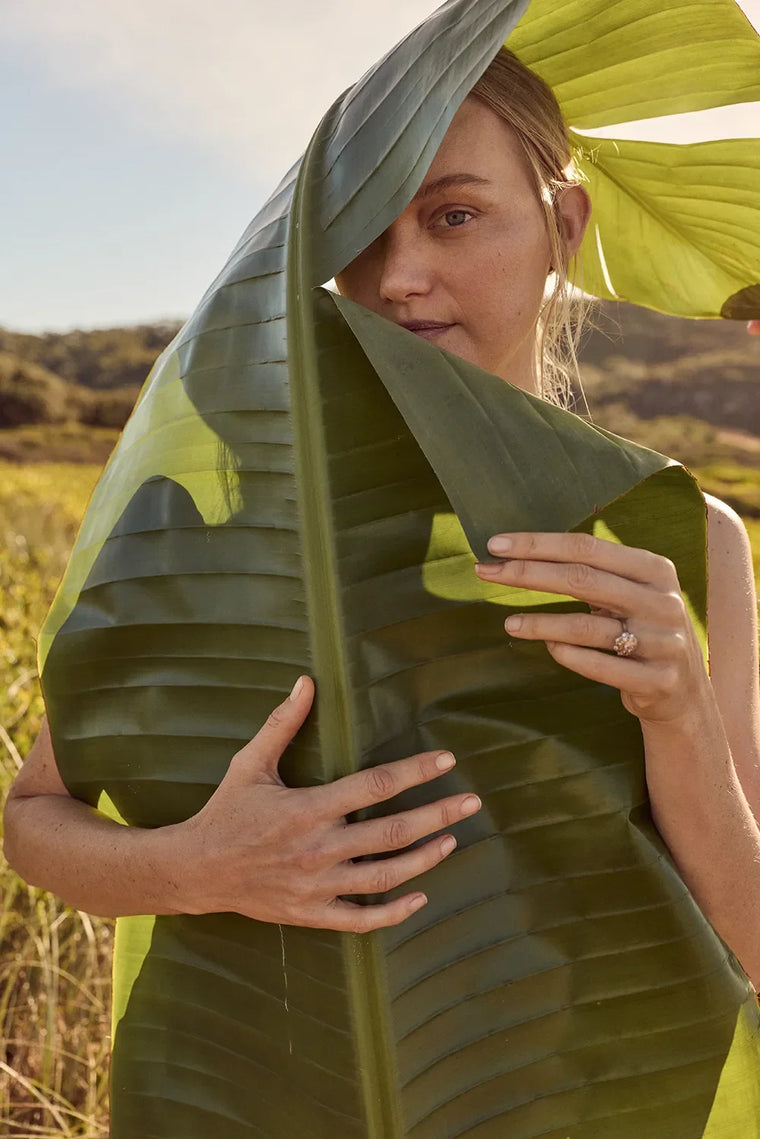
We’ve spent so much of this winter listening to rain. It drums on the roof at night, pools in the paddocks and leaves the towels perpetually damp. In the mornings, everything drips: the tips of the grass, the broad leaves of the bananas, the delicate spiderwebs strung between the branches.
Here in northern New South Wales, at least, everyone is talking about the mud, the mould, the washing. But beneath all the complaining, I’ve noticed a sense of disorientation. Was winter always like this? Should that tree be flowering already? Didn’t those birds usually arrive later? The seasons, it seems, are becoming harder to read.
There’s a word for the study of nature’s timing: phenology. It tracks the recurring events in the lives of plants and animals, like the first unfurling of a leaf, or the emergence of an insect. It’s nature’s calendar, written in happenings, rather than dates. For thousands of years, First Nations people across Australia read these happenings closely because their lives depended on it. The appearance of a flower might signal that a particular fish was running, or the call of a bird that certain foods were ready to gather. That flower opened when its pollinator was present, and that bird arrived when insects were abundant enough to feed its young. The whole ecosystem was exquisitely choreographed.
With today’s warming climate, though, species whose lives have long been synchronised have begun to fall out of step. That flower might now bloom before its pollinator wakes, and that bird could very well arrive after the great flush of insects has already passed. Just this week, in fact, I read that drought and extreme heat caused trees to drop their leaves early across parts of the UK, triggering a “false autumn”.
There’s grief in this, certainly, but there’s also an invitation to pay closer attention. Because living things don’t follow the dates on our calendars. They respond to the conditions around them, which means some species are shifting their ranges or adjusting their timing. I think of the bottlebrush outside our house, which has started flowering earlier I remember in response to the warmth and all this rain. It isn’t getting the season wrong; it’s reading the world as it is.
Maybe learning these changing seasons anew begins with admitting that many of us had stopped noticing them in the first place. We’d come to know winter more by the coats and jumpers sitting in shop windows or by a date on our iCal, than by what was growing in our gardens.
Our bodies are seasonal too, reading light and heat and moisture, and responding to the lengthening of days and the quality of the air. Our wellbeing has never been separate from these larger rhythms, which means that learning to read the seasons anew isn’t only about understanding what’s happening around us, it’s a way of understanding what’s happening to us. And maybe that’s where the possibility lies. Because the more closely we pay attention to the living world, the more connected to it we feel. When we feel connected to something, we’re far more likely to care for it, and those small acts of care add up.
What if our job now, then, isn’t to cling to the seasons as we remember them, but to become intimate with them again? To notice which tree flowers first, when the cicadas begin, which birds have returned and which have fallen silent? Noticing alone won’t mend a disrupted climate, of course. But it will keep us in contact with what is still unfolding, still beautiful and alive, still worthy of our care.
This morning, after another night of rain, the bottlebrush outside the house was streaked with red, its brushes thickening at the tips as if it just couldn’t wait to let itself be seen. When the light caught the wet stamens, they looked almost incandescent. A bee moved slowly through the damp tangle, as if it had all the time in the world.
- Nina Karnikowski. Writer & Author.
Read more

Ema's Edit There is something sacred in watching those you love ~ and those who have shaped the Orchard St. path ~ step into their power. Ema Taylor was one of our original Elixir Bar Alchemists: ...

I've been working in natural medicine for over twenty years, and in that time I've watched wellness transform from a relatively niche conversation into a global industry. In many ways, it's been an...


